Paralyzed teen works to build a new life
Paul Salter enters
high school as a freshman and as a quadriplegic
August 27, 2000 - Sarasota
Herald-Tribune
- Keramet A.
Reiter
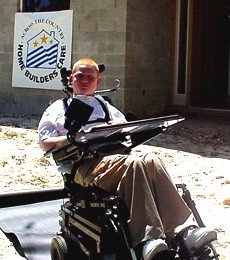
Paul Salter leans his head, the only part of his body he can
move, against the control panels on his wheelchair to navigate around
corners and through a doorway at a Sarasota rehabilitation hospital.
The 14-year-old jokes about the drag of returning to school; like other
incoming freshmen, he is not looking forward to getting up every day in
time for 8 a.m. classes. And he's worried about fitting in. He smiles and
turns his head shyly away when his case manager mentions how long his wavy
red hair has become. He wants it shaved off before anyone takes his
picture, much less before any of his fellow students see it.
His grin conceals his frustration with the thousands of things he can't do
since he was left paralyzed after a head-on tackle at a Pop Warner
football practice last September. Every day is a struggle for Paul,
whether he's learning to breathe without a ventilator or manipulating a
mouth stick to make himself lunch.
He entered Riverview High last week not only as a freshman -- at one of
the most awkward ages in life -- but as a quadriplegic. He will
never be just one of the guys again, as his primary doctor, Kevin
McGaharan, pointed out.
Paul will watch his classmates face all of the frustrations of a
teen-ager in high school, such as "driving, relationships,
sexuality," McGaharan said. Often, Paul will be unable to
participate. As much as he tries not to, Paul often wakes up
in the morning feeling like "I just want to do nothing."
Back to school
One of only three quadriplegics to be mainstreamed into a Sarasota County
high school in 25 years, Paul stood out last week among his 750
freshman classmates at Riverview. There was no chance to blend in, to hide
among a sea of new faces.
"He's like Christopher Reeve in high school," McGaharan said,
referring to the actor who was hurt in the same fashion as Paul
when he was thrown from a horse.
Paul rides to school as the sole passenger in an air-conditioned,
lift-equipped school bus. A nurse meets him when he arrives on the
Sarasota campus and follows him to each class, where he either
tape-records lectures or receives copies of notes from his teachers.
Paul doesn't mind the private bus ride. "That's pretty
cool, actually. It's just me that goes," he said. And he hardly
seems to mind the nurse escort. "I can get around by myself,
but she kind of follows," he said. He was not as upbeat,
however, about getting up early and the work required to go to a new
place. "Oh yeah, it's a big pain," he said.
It takes Paul two hours to move from bed to wheelchair, get dressed
and eat breakfast, all with the help of his family and a nurse. Early for
him means 6 a.m., and he still only gets to school in time for second
period.
With the permission of Riverview officials, he skips a first period
elective, such as speech or band, so he can arrive at Riverview later.
He confided laughingly that his nurse had to prod him awake once or twice
during an especially boring video on his first day of school. He didn't
think his teacher noticed, but "It was embarrassing."
Paul's help at school -- the nurse, the bus and the special education
teacher who will oversee his work -- is partially funded by $20,000 a year
from the state, but the school district will spend about twice that each
year.
Administrators at Riverview say they will do everything they can to make Paul
comfortable. "We're going to treat him like we do any other
student," Principal Louis Robison said.
On Tuesday, Paul seemed excited by all the new experiences.
"It was a lot better than I thought it would go," he said of his
first two days of school. "I have met a couple new people."
But he's not sure who his friends might turn out to be or who will accept
him in a place where being cool and fitting in is essential in the minds
of teen-agers.
The injury
Spinal cord injuries affect fewer
than 1 percent of Americans. Of the estimated 200,000 injuries annually,
about 7 percent are sports-related. "I played football from
second grade through college. In all my years of football, I had seen one
other neck injury," said Dave Anderson, who was coaching another team
on the field the day Paul was injured.
After Paul ran head-on into a SunDevils teammate Sept. 9, he lay on
the ground at Twin Lakes Park, drifting in and out of consciousness. He
complained that he couldn't move. Anderson said he remembered seeing
Paul on a stretcher, his neck in a brace, as he was wheeled to a
helicopter.
"It just makes you stop," Anderson said. "The blood just
runs cold, and you wonder what happens next." Neurosurgeons at
All Children's Hospital melded pieces of Paul's pelvic bone to his
spine to strengthen the two broken vertebrae in his neck and to prevent
further internal injury.
After almost two months, Paul was moved to HealthSouth
Rehabilitation Hospital, where he was weaned from a ventilator and
therapists began building strength in his torso and stretching his limbs.
He learned to use a mouth stick and to navigate his wheelchair.
He returned home in May, eight months after he was hurt, but continued to
spend most of his days at HealthSouth. He kept up with his
eighth-grade assignments in between at least six hours of therapy a day.
This summer, he completed an Earth science class -- his first high school
credit.
Anderson, a Baptist pastor who held a prayer service for Paul a
month after the accident, said he and others have been amazed at the
teen-ager's tenacity. "Since day one I was quite inspired by
his reaction to it," Anderson said. "He was quite
resilient."
A day at a time
Slowly, Paul is learning to do small things for himself.
It takes Paul an hour to prepare himself a plate of nachos. And he
still needs someone to feed it to him.
He uses a mouth stick, a device about 8 inches long with a clamp on the
end. He rotates his head to position the apparatus over a single chip.
With his tongue, he depresses a lever that pinches the ends of the stick
closed, then drags the clamped chip onto his plate.
Chip by chip, the pile grows. In much the same way, step by step, Paul
must rebuild his life without the use of any of his limbs.
"Some days are better than others," he admitted.
Paul also uses the mouth stick to play cards and write.
Eventually he'll be able to type with it and use a computer, which also
will translate his dictation into print.
"When I get my new computer, I'll be doing video games," Paul
said, lighting up at the thought of an additional activity on his short
list of possibilities: television, movies, occasional excursions outside.
He's not a big reader. Even if he were, turning pages would be a major
challenge in a life where the most minor of tasks deplete his energy.
School has added to the demands. "It's a balancing and juggling
act between school and therapy," McGaharan said. Instead of six
hours a day of therapy, Paul now attends therapy three days a week
after school.
Though he doesn't like the hard work that comes with rehabilitation --
therapists stretching his muscles and training him to be more independent
-- he said he misses his friends at HealthSouth. Many of them were
just like him. He fit in.
Support
As one of the younger patients at HealthSouth, Paul has
become a favorite of his case therapist, Shelley Rayburn, and fellow
patients. Since his parents have yet to receive the van that will
allow them to transport him in his 330-pound wheelchair, Rayburn often
arranges Paul's excursions -- to the mall, to the movies, to get
that red hair cut.
She often brings her son, a junior at Riverview, and his friends along on
these excursions so Paul can get to know fellow high school
students. "It's kind of a little bit of a chance for (Paul's
parents) to have five minutes," Rayburn said of her excursions with Paul.
By the time he returns home from hours of rehabilitation, Paul is
frequently too exhausted to socialize with old friends or family -- his
father, a plumber, and mother, a clerical worker; an older sister; and an
older brother who also is in high school.
In the afternoon, Paul's mom meets him at HealthSouth and rides
home with him in the transport van. At night, a nurse stays with Paul
to turn him over every two hours and to monitor his breathing. In the
mornings, she works with him to keep range of motion in his limbs. Without
the nurse, Paul's parents would not be able to sleep through the
night.
Paul's mom, Gail Salter, said a few of his middle school
friends have kept in touch. "They come by once in a while. They
watch movies," she said. "But it's hard because Paul
often comes home and sleeps."
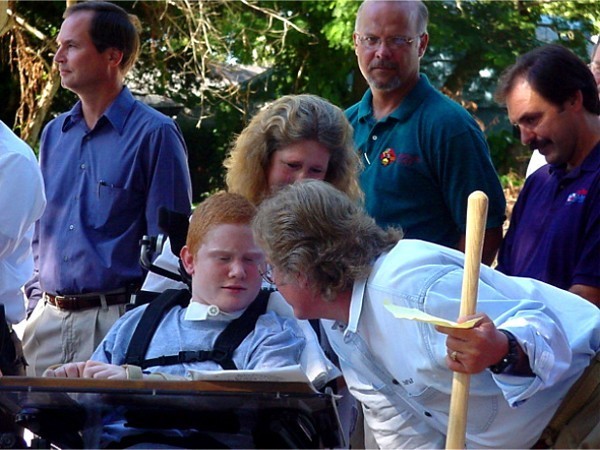
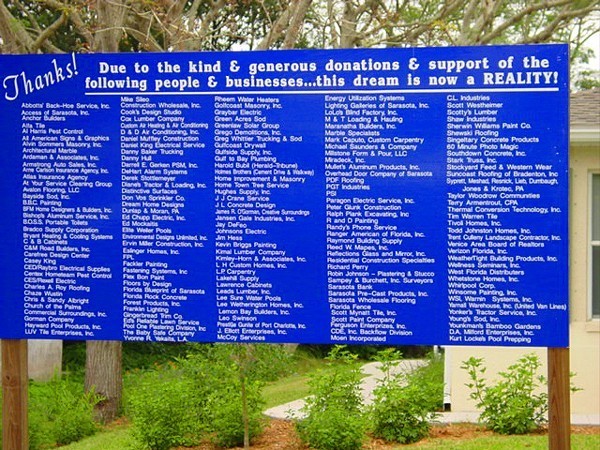
The family has received a variety of help from the community to offset the
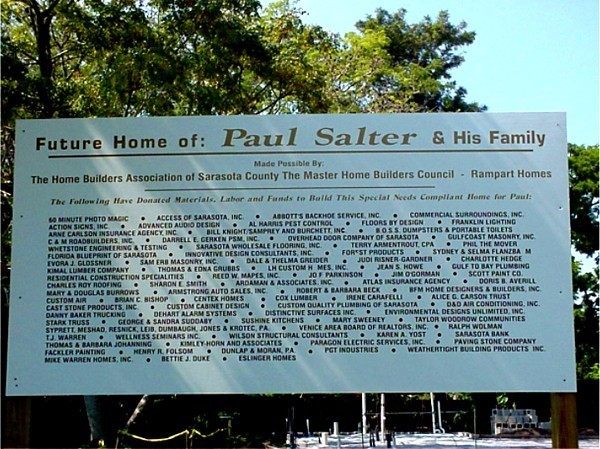
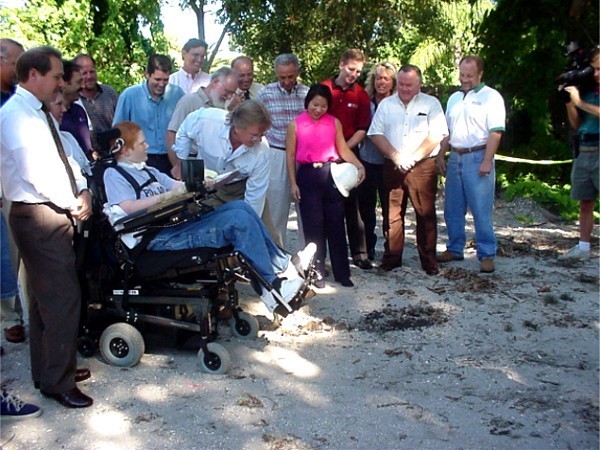
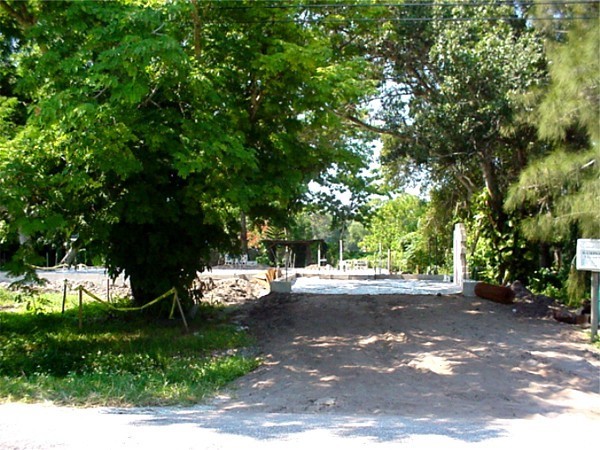
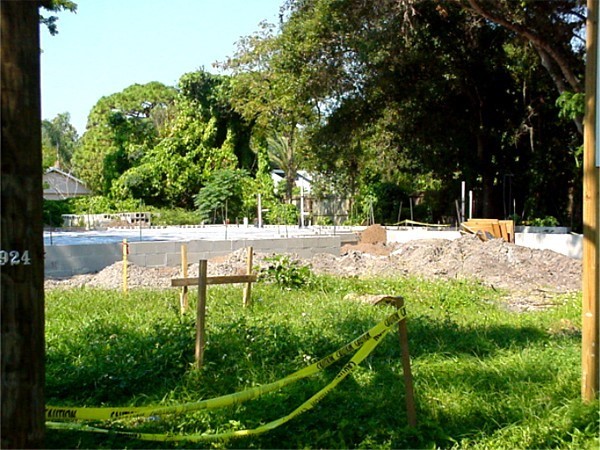
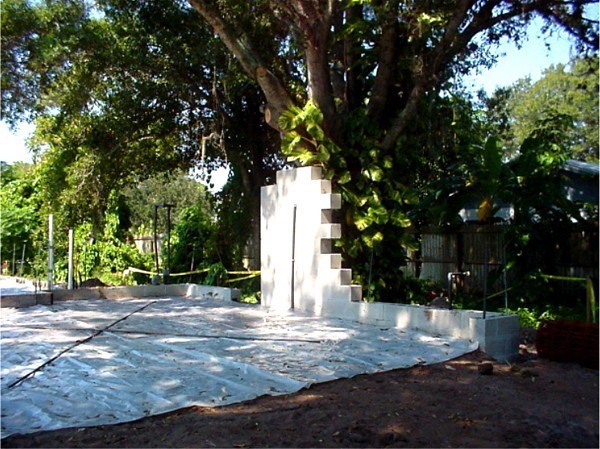
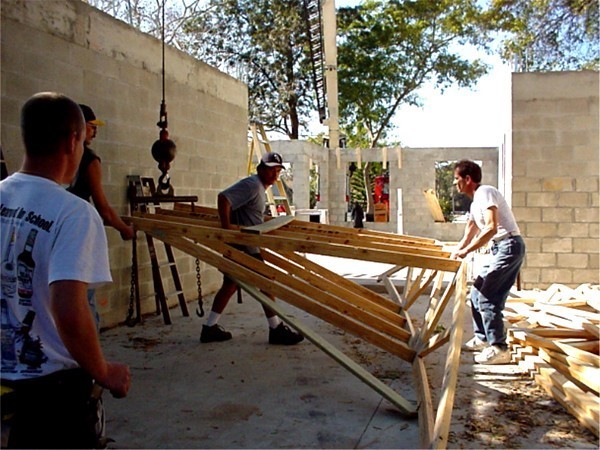
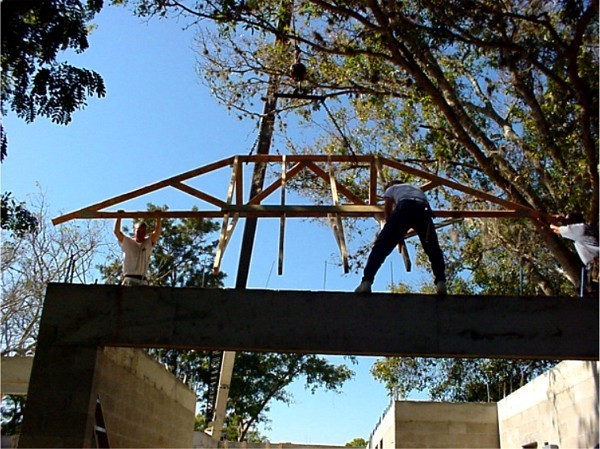
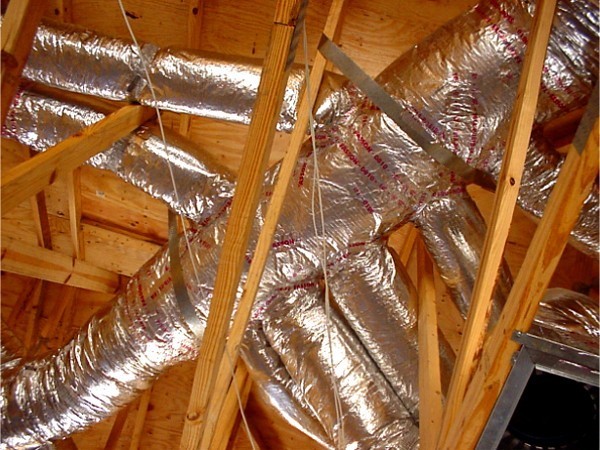
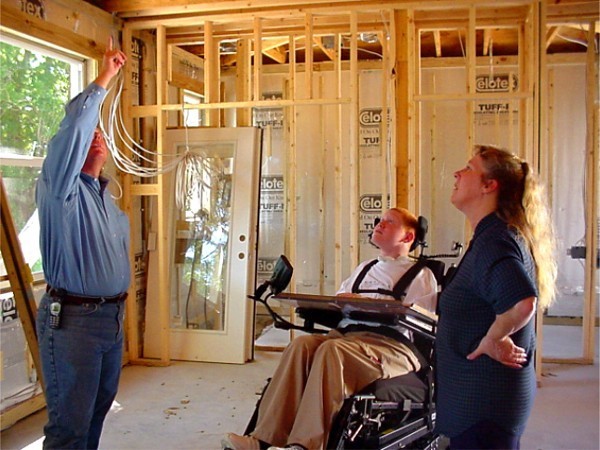
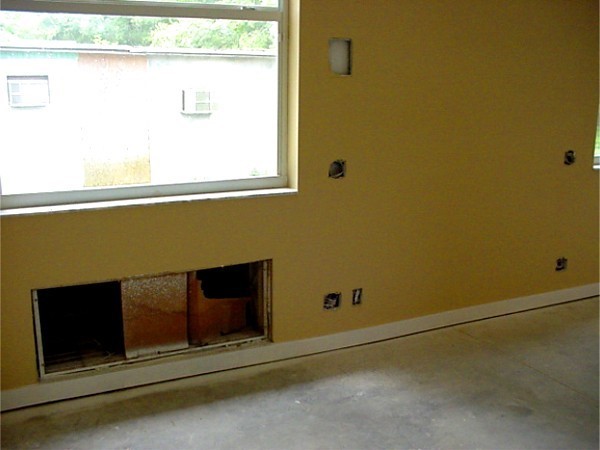
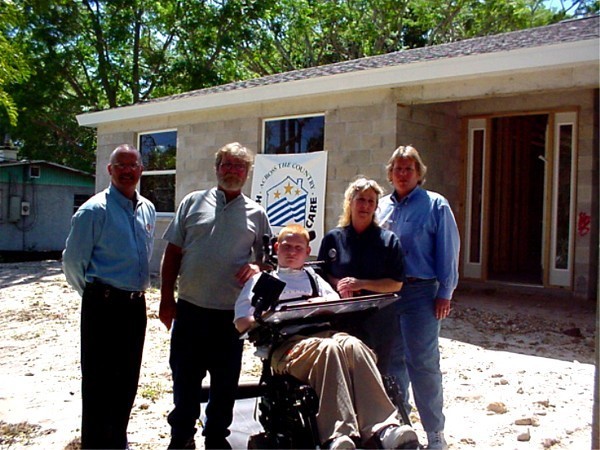
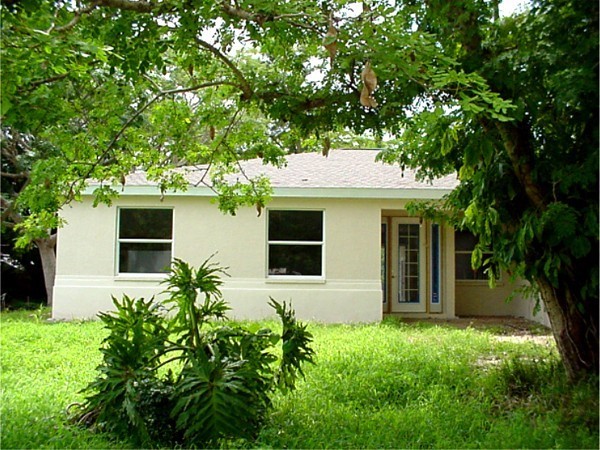
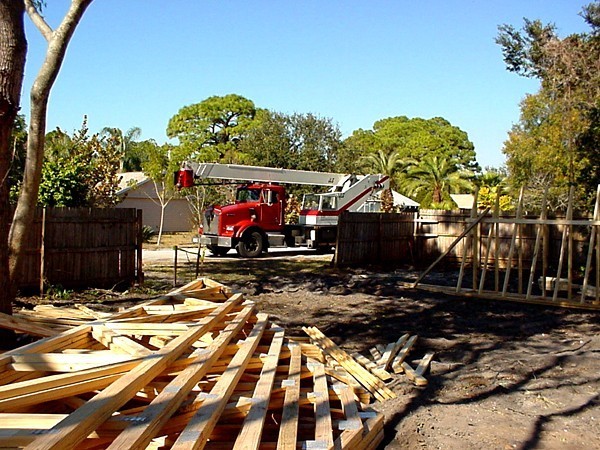
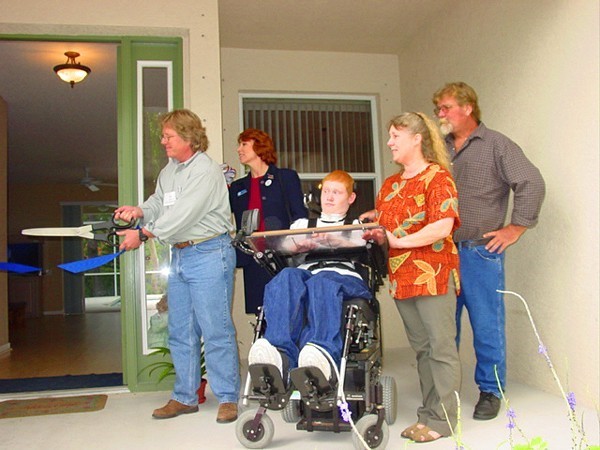
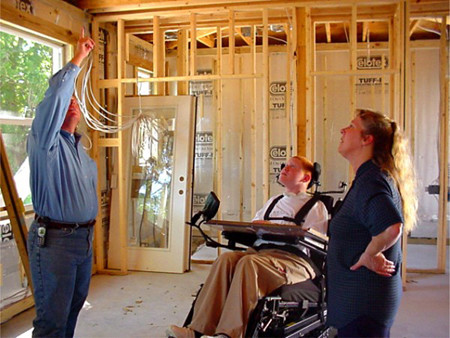
huge costs of care for Paul. Rampart Homes is building the family a
house that will be wheelchair-accessible and have voice-activated utility
switches. The house is being built in stages as donations are received.
The house will be put in a trust for Paul, so when he gets older it
will be his.
"No one can be OK with a spinal-injury child," McGaharan said of
Paul's parents. "They are acclimating to this as well as
anyone could. It's a devastating injury to the patient but also to the
family. Fortunately, Paul has had a lot of good support from
community agencies."
Members of Faith Baptist Church, which hosted the prayer service, have
kept in touch with Paul and tried to help his family. Kevin
Elwood, a church member, pulled some strings to get a Dan Marino jersey
for Paul and became friends with him during five or six visits over
the past year. "He's a fighter type of a kid," Elwood
said. "He likes to joke around and so forth. He likes girls,
too."
But Paul doesn't like to talk about those interests. He's nervous
about each day of school. "I'm just trying to get through
it," he said of his first week at school. He added that he was
just looking to get to the weekend. Just like any other teen-ager.
All content © 2000 Herald-Tribune Corp. and may not be republished
without permission.
|